Traveling across the crystal-clear waters of Indonesia is a breathtaking experience, but for many, the thought of stepping onto a vessel triggers a wave of panic. If you struggle with travel jitters, mastering a few boat anxiety tips can transform your maritime journey from a stressful ordeal into a peaceful adventure.
Whether you are heading from the mainland to the islands or exploring the Gili archipelago, feeling a sense of dread as the engine starts is more common than you might think. By understanding the psychological triggers and physical sensations of seafaring stress, you can use specific boat anxiety tips to regain control and enjoy the stunning ocean views.
Understanding the Roots of Maritime Panic
Before diving into solutions, it is vital to understand why being on a watercraft feels different from other forms of travel. Unlike a car or a plane, a boat is constantly in motion, influenced by the rhythm of the tides and the wind.
For many, the vastness of the ocean represents a lack of control. Not being able to see land or knowing exactly what is beneath the waves can trigger a primal response. Recognizing this is the first step in applying our boat anxiety tips.
Furthermore, there is a strong physiological link between the inner ear and the brain’s anxiety centers. When the boat rocks, your brain may misinterpret the physical dizziness as a sign of imminent danger, escalating your heart rate.
1. Preparation: Boat Anxiety Tips Before You Board
A calm trip begins long before you reach the harbor. Preparation is the ultimate enemy of anxiety.
Choose the Right Vessel
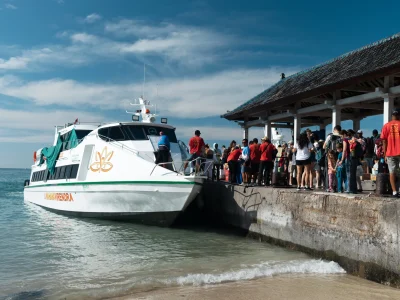
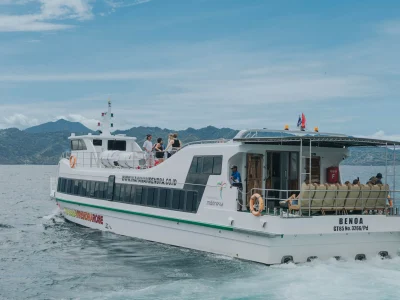
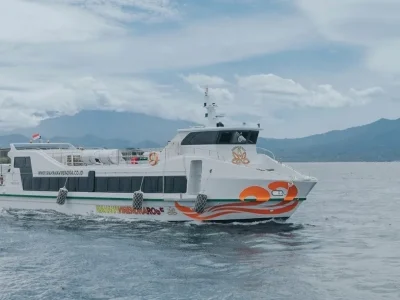
Not all boats are created equal. If you are prone to nervousness, opt for larger fast boats. Larger vessels tend to be more stable against the waves, providing a smoother ride that keeps your nerves steady.
Strategic Seating
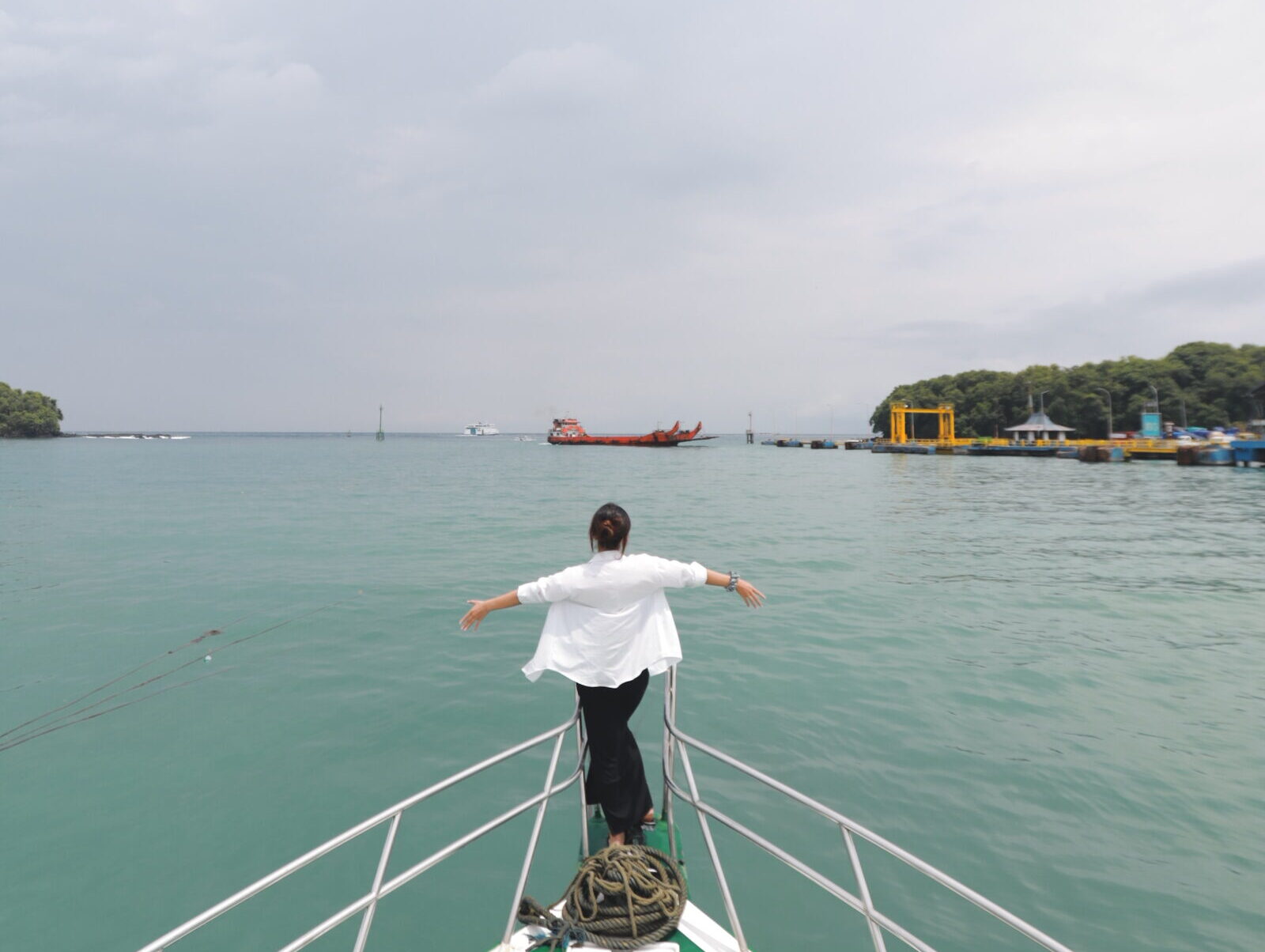
Where you sit matters. One of the most effective boat anxiety tips is to sit in the middle of the boat or toward the stern. This area experiences the least amount of vertical motion compared to the bow, which tends to bounce more on the waves.
2. Physical Techniques to Maintain Calm
Once you are on board, your body needs a way to process the adrenaline and the movement of the sea.
Controlled Breathing
When panic sets in, your breathing becomes shallow. Practice rhythmic breathing: inhale for four seconds, hold for four, exhale for four, and hold for four. This simple pattern signals to your nervous system that you are safe.
The Horizon Focus Method
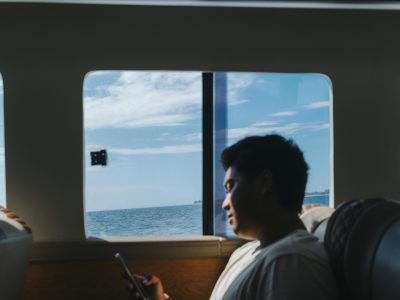
If the movement starts to feel overwhelming, one of the best boat anxiety tips is to keep your eyes on the horizon. The horizon is a fixed point that helps your brain reconcile the movement your body feels with what your eyes see, reducing both nausea and panic.
3. Psychological Strategies for a Peaceful Ride
Your mind is a powerful tool. Shifting your internal dialogue can change your entire physical experience on the water.
Positive Visualization
Instead of focusing on the fears, visualize the destination. Think about the white sands of the beach or the vibrant coral reefs waiting for you. Reframe the boat not as a cage, but as a bridge to your paradise.
Audio Distraction
Download a calming podcast or a playlist of your favorite music before you depart. Blocking out the loud engine noise and the splashing of waves can help create a mental sanctuary, making it one of the most underrated boat anxiety tips.
4. Handling Unexpected Waves
Even on a sunny day, the sea can be unpredictable. Knowing how to handle a sudden change in conditions is crucial for staying calm.
Acceptance Over Resistance
Trying to keep your body rigid against the boat’s movement will only exhaust you and increase your stress. Instead, try to flow with the boat. Move your hips with the rhythm of the waves. Acceptance reduces the physical tension that feeds anxiety.
READ MORE: The Ultimate Gili Trawangan Travel Guide: Beaches and Best Sunset Spots
Grounding Techniques
If you feel a panic attack rising, use the 5-4-3-2-1 grounding method. Acknowledge things you see, touch, hear, smell, and taste. This pulls your brain out of the future fear and back into the present moment.
5. The Importance of Hydration and Nutrition
What you put in your body affects how your brain handles stress. Avoid caffeine and sugar; while it might be tempting to grab a coffee at the port, caffeine mimics the symptoms of anxiety like a racing heart and jitters. Stick to water or ginger tea, which is one of the classic boat anxiety tips for both nausea and nerves.
Why Professional Crews Matter
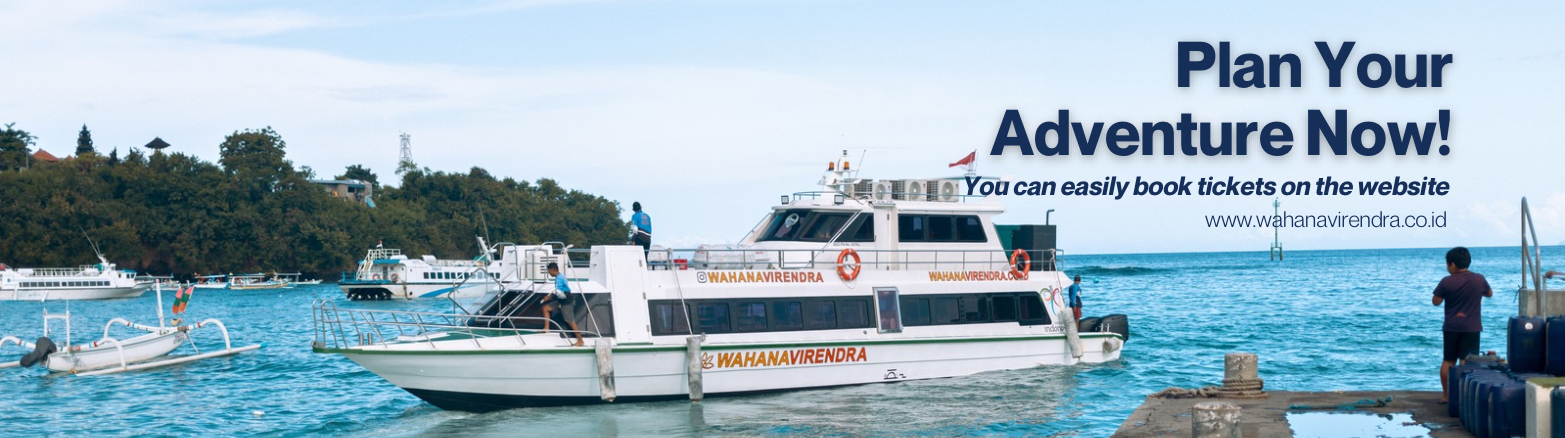
Your safety is the foundation of your peace of mind. Knowing you are in good hands can significantly lower your stress levels. Don’t be afraid to tell the crew you are a nervous traveler. Professional crews are trained to handle various passenger needs including boat anxiety tips. Often, a quick smile or a reassuring nod from a seasoned captain is all you need to feel secure.
Conclusion
Mastering these boat anxiety tips doesn’t happen overnight, but each trip becomes easier than the last. By combining physical preparation, mental grounding, and choosing a reliable operator, you can reclaim your love for travel.
For the most comfortable and professional experience across the Bali Sea, we highly recommend booking your trip through the Wahana Virendra official website or via our official WhatsApp. As a trusted fast boat provider for the Bali-Lombok-Gili routes, Wahana Virendra prioritizes passenger safety and comfort above all else. By booking directly, you ensure a seamless experience with a team that understands how to make every traveler feel at ease.