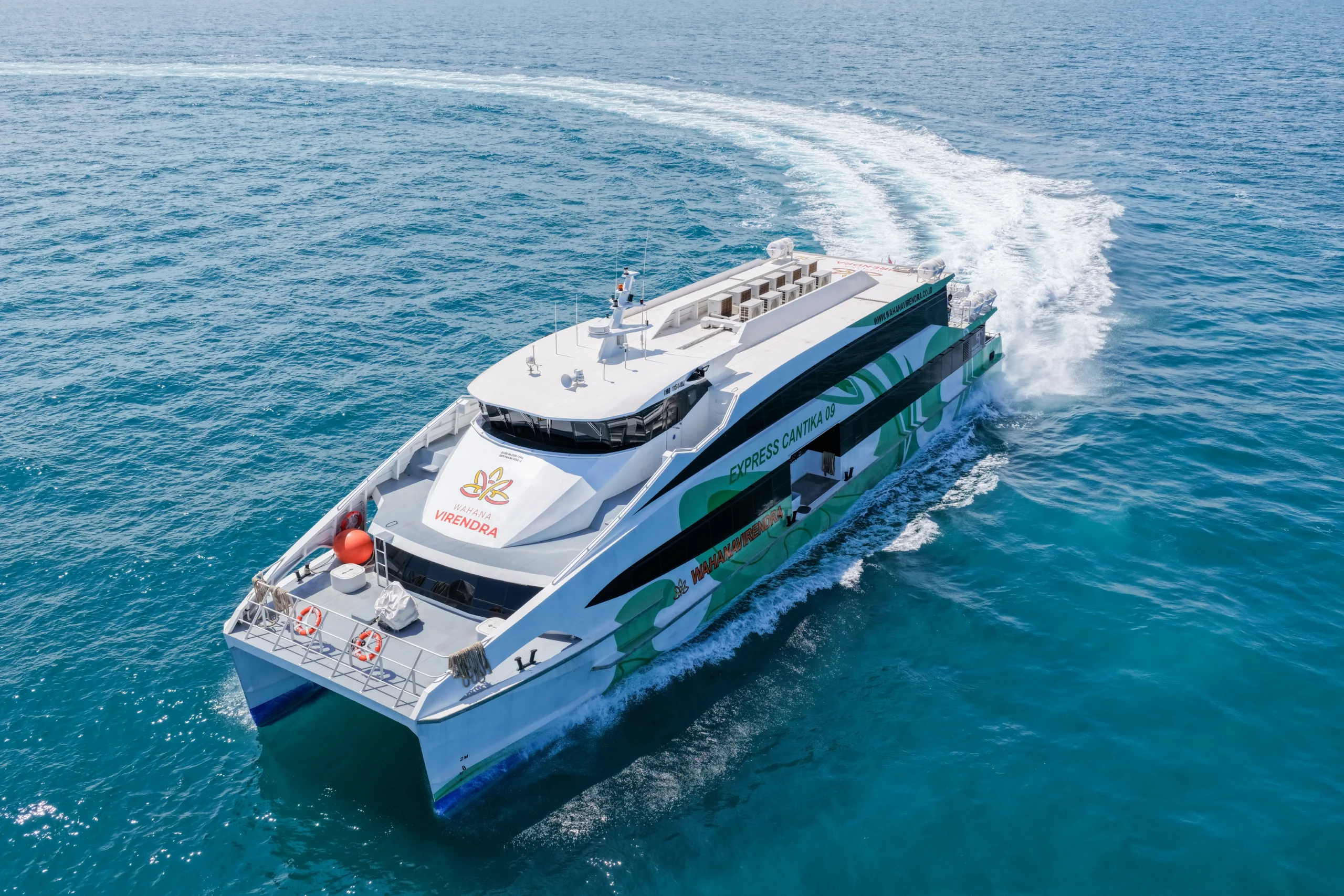
The dream of a perfect tropical getaway often begins with the allure of pristine beaches, crystal-clear waters, and island hopping. For travelers heading from Bali to the stunning Gili Islands or Lombok, the journey across the Lombok Strait is an inescapable part of the adventure, important to know the reason why bigger boat is better. While the destination promises paradise, the open sea crossing can sometimes introduce an unwelcome companion, seasickness.
Characterized by nausea, dizziness, and cold sweats, motion sickness can quickly turn an exciting voyage into a grueling ordeal. Fortunately, managing this condition goes beyond over-the-counter medication; it starts with a fundamental decision regarding your sea transport. When it comes to conquering ocean swells, a bigger boat is better.
Selecting a larger vessel is one of the most effective structural interventions a traveler can make to ensure a stable, comfortable, and vomit-free journey across deep maritime channels.
Why Choosing a Bigger Boat?
When booking a marine crossing, many passengers focus entirely on departure schedules and ticket prices, overlooking the physical dimensions of the vessel.
However, the size of the watercraft dictates almost every aspect of your physical experience on the open water. A larger vessel handles the unpredictable ocean environment entirely differently than a smaller, lighter speed boat. Choosing a larger vessel offers several distinct structural benefits:
Superior Wave Stability
A bigger boat is better because it offers superior stability against multi-directional waves. Large fast boats have a significantly higher gross tonnage and a wider beam, which creates a solid center of gravity.
When a vessel boasts a substantial surface area and weight, it takes much more force from the waves to tip, roll, or pitch the craft. While a small boat will aggressively mimic the shape of every wave it encounters, a larger vessel slices directly through the crests, dampening the impact and maintaining a flatter trajectory.
Generous Cabin Space and Comfort
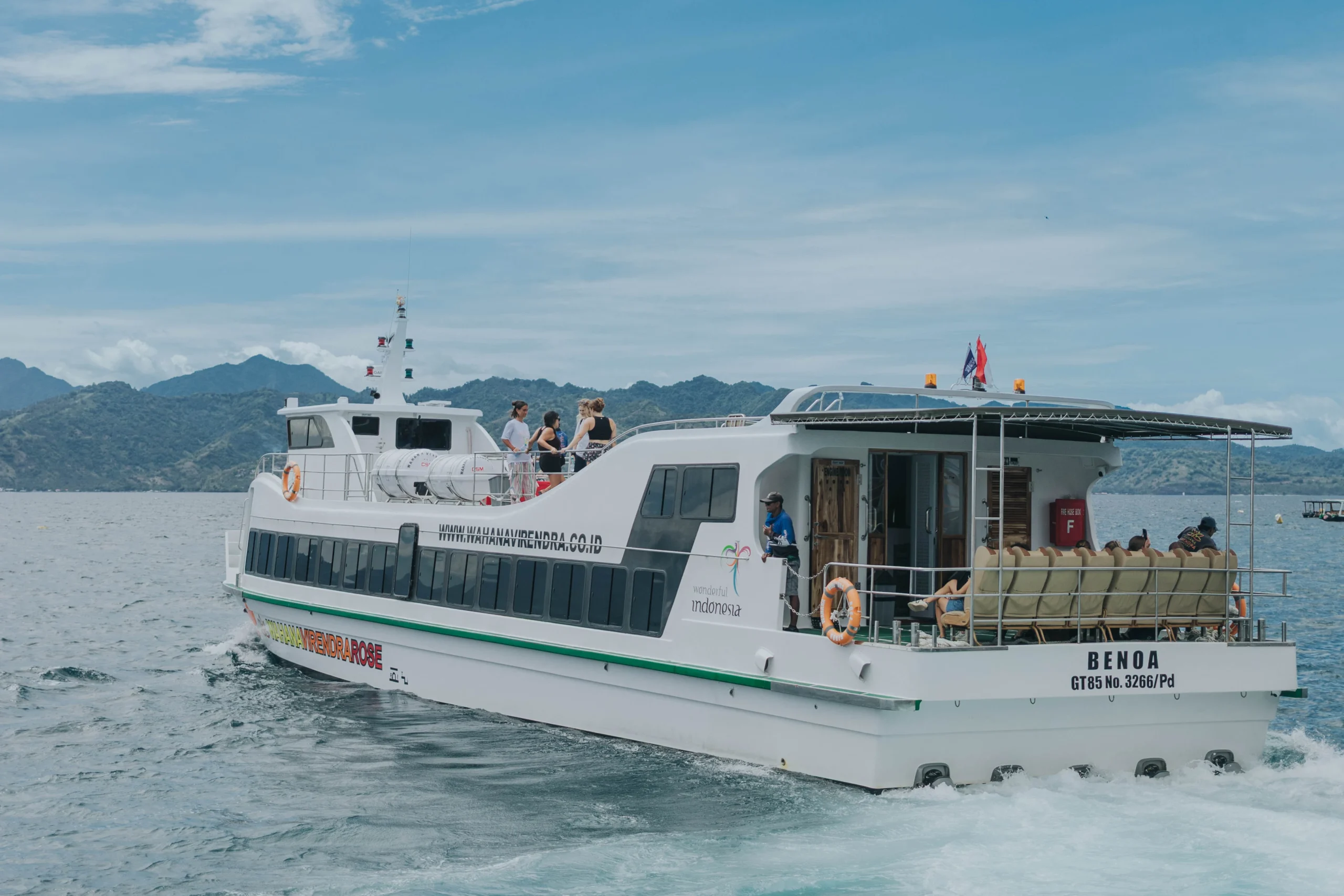
Space directly equals comfort on the open sea. A bigger boat is better and provide expansive, fully enclosed air-conditioned cabins, high ceilings, and wider aisles.
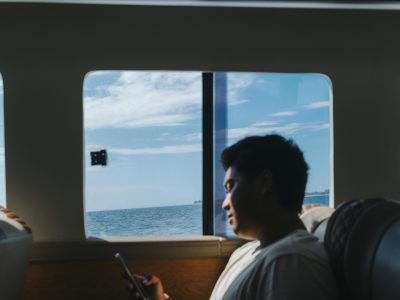
This extra space eliminates the cramped, claustrophobic environment that often triggers or worsens anxiety during a rough sea transit. Passengers can sit in cushioned, ergonomic reclining seats with proper headrests and legroom, minimizing the physical jostling that causes bodily fatigue.
Premium Onboard Amenities
Larger vessels are structurally capable of housing premium amenities that enhance the overall travel experience. These include clean onboard restrooms, ample internal luggage storage, and even open-air sun decks for those who want to step outside.
These facilities ensure that passengers remain relaxed and well-accommodated throughout the entire duration of the journey, which significantly lowers stress levels.
Relation with Anti-Motion Sickness
To understand why a bigger boat is better for preventing seasickness, it is helpful to look at the medical mechanics of motion sickness. The condition occurs due to a specific sensory conflict within the human body, which can be broken down into the following key aspects:
The Sensory Conflict Explained
Motion sickness triggers when your eyes, your inner ear vestibular system (which controls balance), and your deep tissue receptors send contradicting signals to your brain.
On a small boat, you are subjected to high-frequency, unpredictable movements, rapid rolling from side to side and sudden pitching up and down. While your eyes look at a fixed interior wall, your inner ear registers violent movement, leading to an internal mismatch that causes sudden nausea and dizziness.
Low-Frequency Oscillation
A larger vessel serves as a natural anti-motion sickness mechanism by significantly altering the frequency and amplitude of these movements. Instead of sharp, jerky bumps, a large boat experiences slow, predictable, and low-frequency oscillations.
The brain can process these gradual movements much more easily, preventing the sensory mismatch from escalating into severe nausea.
Eradicating the Corkscrew Effect
Large vessels are less susceptible to the corkscrewing effect, a complex, simultaneous rolling and pitching motion that is notorious for causing immediate seasickness. By dampening the vertical acceleration caused by ocean swells, a bigger boat is better protects your equilibrium.
Combined with standard anti-motion sickness practices, such as looking at the distant, stable horizon, choosing a larger hull provides the strongest defense against the elements.
READ MORE: Packing 101: Essential Bali to Gili Boat Trip Tips for a Dry Journey
Bigger Boat is Better with Wahana Virendra
For travelers navigating the waters between Bali (Padang Bai or Sanur), the Gili Islands (Gili Trawangan, Gili Air), and Lombok (Bangsal or Senggigi), Wahana Virendra stands out as the premier provider of large-scale maritime transport.
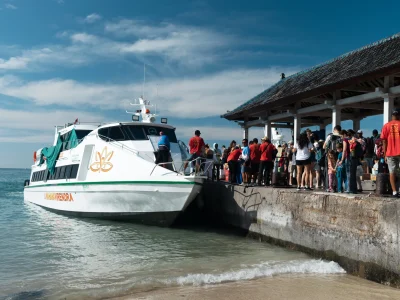
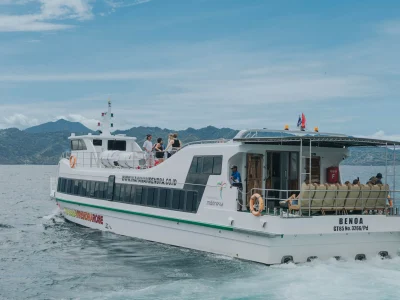
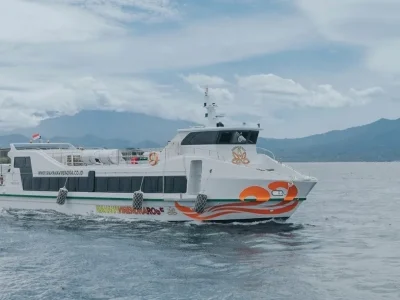
Fully understanding that a bigger boat is better for passenger wellness, Wahana Virendra operates an impressive fleet featuring some of the largest and most advanced fast cruises in the region, with vessel capacities reaching up to 180 and 375 seats.
Choosing Wahana Virendra means opting for a smoother ride across the deep waters of the Lombok Strait. The expansive scale of these vessels provides several distinct advantages for anyone prone to motion sickness:
Numbered Seat Configurations
Generous seating configurations, clean restrooms, digital information displays, and professional onboard crew ensure that you remain relaxed throughout the 1.5 to 2-hour journey.
Optimal Ventilation
Bigger boat is better because it’s fully functional, powerful marine air conditioning systems keep the main cabin cool and fresh, preventing the stuffy, humid air that frequently triggers nausea.
Advanced Safety and Technology
Every vessel is outfitted with top-tier electronic navigation systems, including GPS plotters, Furuno depth sounders, and radar, allowing captains to navigate the smoothest paths through the water. That makes bigger boat is better.
Minimized Movement
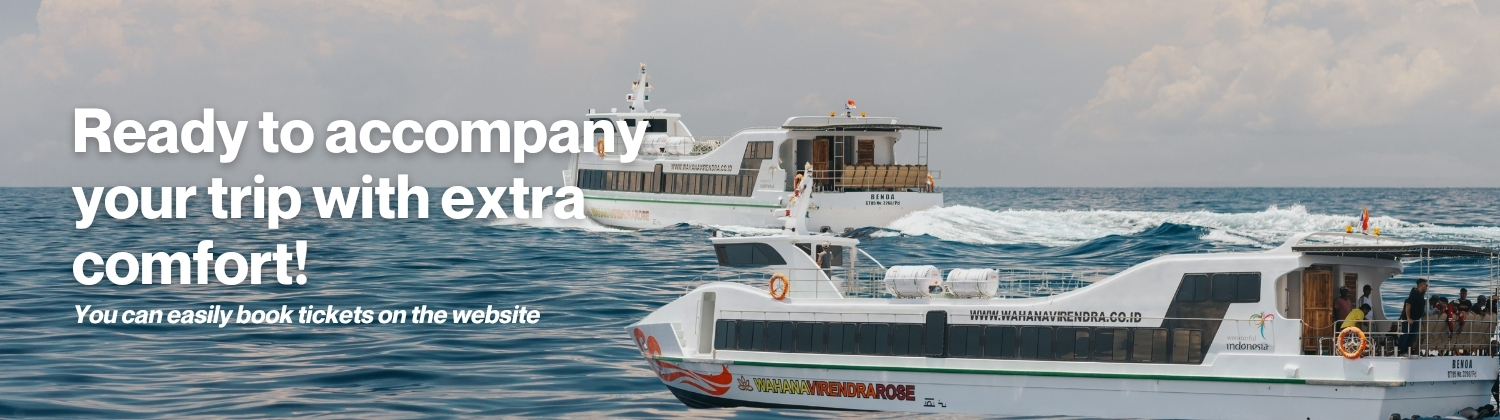
The massive aluminum hulls slice cleanly through open-ocean swells, substituting jarring impacts with a gentle, stable glide. By aligning your travel plans with a fleet designed around heavy-duty stability, you drastically cut down the risk of seasickness and turn a potentially stressful channel crossing into an enjoyable part of your holiday.
Conclusion
Securing an authentic anti-motion sickness experience involves smart planning, and recognizing that a bigger boat is better is the foundational step. Protecting your physical well-being ensures you arrive at your island destination energized and ready to explore, rather than spending your first day recovering in a hotel room.
Wahana Virendra offers the ideal balance of massive vessel stability, exceptional onboard comfort, and high-speed efficiency to get you safely across the waves. Don’t let the fear of seasickness hold you back from exploring paradise. Secure your premium seats on one of our large, stable fast boats today.
For seamless booking, instant e-tickets, and the latest schedule updates, visit the Wahana Virendra Official Website or connect directly with our customer support team via the Official WhatsApp to plan a smooth, comfortable island adventure.