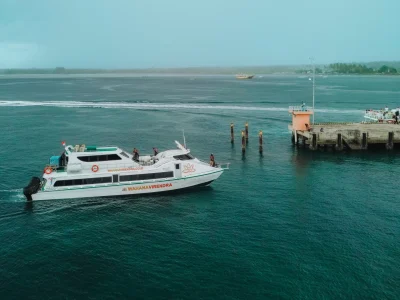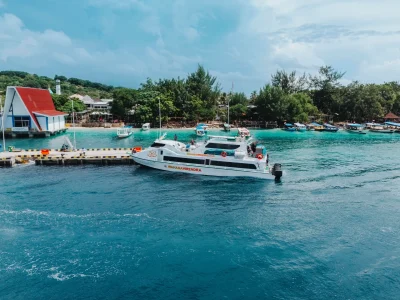
Traveling between the tropical paradises of Bali, the Gili Islands, and Lombok is an experience many dream of. However, the logistical reality of island hopping often involves dealing with the cause of fast boat delays.
While most operators strive for punctuality, navigating the open waters of the Lombok Strait presents unique challenges that can occasionally disrupt the best-laid plans. Understanding why these hold-ups occur is essential for any traveler looking to manage their expectations and ensure a smooth journey across the Indonesian archipelago.
The Reality Behind the Schedule: Why Your Boat Might Be Late
Before you dive into your island itinerary, it is important to realize that maritime travel is significantly different from catching a flight or a train. While a bus follows a paved road, a fast boat contends with a dynamic, living environment. Many factors some human, some environmental, interact to determine whether your vessel leaves exactly on the dot or an hour behind.
To help you prepare for your next trip, here are the most frequent factors that contribute to the cause of fast boat delays in the region.
1. Adverse Weather Conditions
The primary cause of fast boat delays is undoubtedly the weather. Indonesia’s tropical climate can bring sudden squalls, heavy rain, and, most importantly, high swells.
If the Indonesian Meteorological, Climatological, and Geophysical Agency (BMKG) issues a warning regarding wave heights exceeding 2.5 meters in the Bali-Lombok strait, port authorities will often suspend all departures to prioritize passenger safety.
2. Port Congestion at Padang Bai
Padang Bai is the main artery for fast boats traveling to the Gilis. During peak tourist seasons, the sheer volume of vessels trying to dock, unload, and reload can lead to a traffic jam at the pier. When several fast boat delays simultaneously, later departures are pushed back as they wait for a vacant docking space.
3. Loading and Unloading Luggage
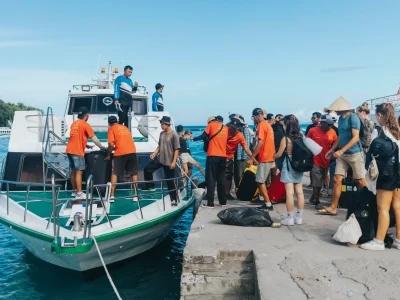
Managing the luggage of 100 to 180 passengers is no small feat. While crews are generally very efficient, delays can occur if there is an unusual amount of heavy cargo or if the boarding process is slowed down by passengers who are not ready at the pier.

4. Technical Maintenance and Safety Checks
Reputable operators never compromise on safety. If a captain or engineer detects a minor technical issue during a pre-departure inspection, such as an engine sensor glitch or a cooling system clog, usually fast boat delays at the dock until the issue is fully resolved.
5. Passenger Punctuality
A fast boat operates on a tight rotation. If a group of passengers is late for check-in or struggles to find the boarding point, it can ripple through the entire day’s schedule. This is why most companies insist on a check-in time at least 30 to 60 minutes before departure to avoid fast boat delays.
6. Changing Tides
Low tides can sometimes make it difficult for larger fast boats delays to dock at certain piers, particularly in Gili Trawangan or Gili Air. If the water level is too shallow, the boat may have to wait for the tide to rise or use smaller shuttle pontoons, adding time to the journey.
7. Port Clearance Procedures
The next cause of fast boat delays is before any vessel can depart, the captain must obtain clearance from the Harbour Master (Syahbandar). This involves verifying passenger manifests and ensuring all safety protocols are met. If there is a backlog of paperwork at the port office, departures can be delayed by 15 to 30 minutes.
8. Unexpected Sea Debris
The waters between Bali and Lombok can occasionally contain floating debris, especially after heavy rains on the mainland. If debris gets caught in the propellers, the crew must stop the engines to clear it, leading to fast boat delays.
9. Rescue or Assistance at Sea
As part of the maritime code of conduct, vessels are required to assist other boats in distress. While rare, a fast boat delays might detour or pause its journey to provide aid to a smaller local fishing vessel or another passenger craft, causing a temporary delay.
10. Secondary Trip Ripple Effects
Last cause of fast boat delays is the trip ripple effects. Many boats perform multiple runs or trips in a single day. If the first trip of the morning is delayed due to any of the reasons above, the second and third trips will inevitably start later than scheduled, as the boat must return from its destination before it can pick up new passengers.
Experience the Excellence of Wahana Virendra
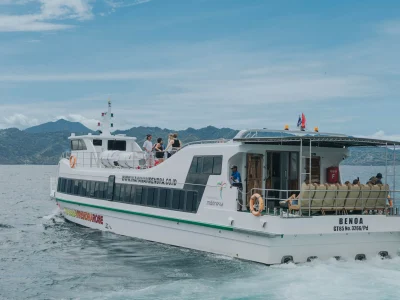
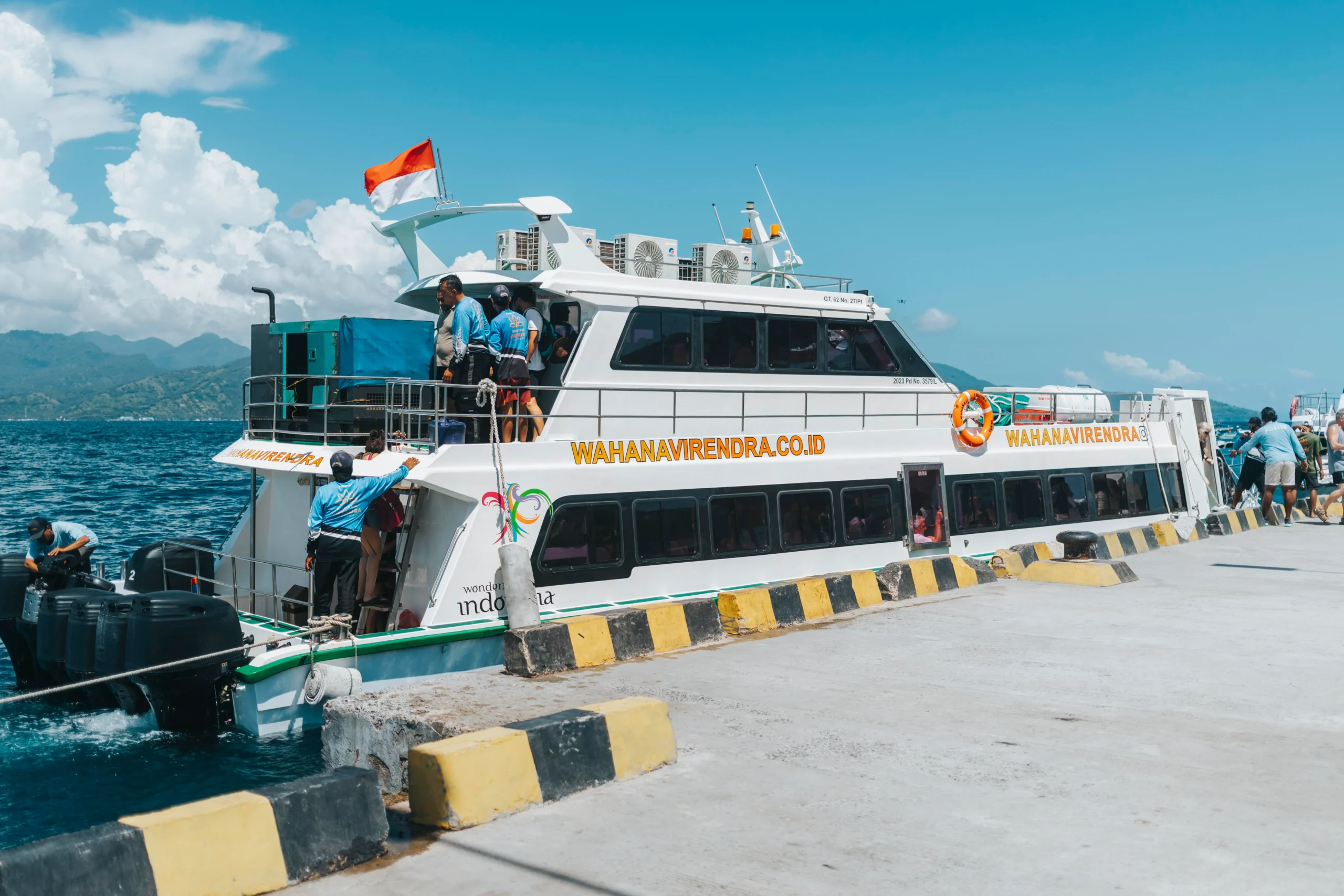
If you are looking for an operator that minimizes these issues through professional management, Wahana Virendra is a top recommendation. Established with a focus on safety and comfort, Wahana Virendra operates a fleet of modern vessels designed to handle the Lombok Strait with stability and speed.
To ensure you have a guaranteed seat and a seamless check-in experience, we highly recommend that you book your ticket directly through the official Wahana Virendra website or via their WhatsApp customer service.
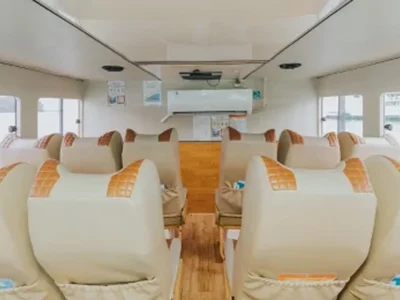
Booking directly ensures you receive real-time updates regarding any potential schedule changes or weather-related notices. Each boat is equipped with premium facilities to ensure that even if fast boat delays occur, your journey remain comfortable:
- Safety First: Equipped with life rafts, life jackets, and digital navigation systems.
- Comfortable Cabin: Full Air Conditioning (AC), comfortable cushioned seats, and indoor sound systems.
- Entertainment: Onboard Television and digital information screens.
- Clean Facilities: Well-maintained onboard toilets and a sun deck for those who prefer the sea breeze.
READ MORE: When Is the Best Time Fast Boat Bali Actually Feels Calm?
Wahana Virendra Ticket Prices and Schedules
Planning your trip with Wahana Virendra is easy and transparent. They offer multiple daily trips connecting Bali (Padang Bai) with Gili Trawangan, Gili Air, and Bangsal (Lombok). Below is the detailed ticket and schedule information for your reference:
| Route | Departure | Trip Type | Price (IDR) |
| Bali (Padang Bai) to Gili/Bangsal | 09:00 AM | First Trip | IDR 325,000 |
| Bali (Padang Bai) to Gili/Bangsal | 11:30 AM | Second Trip | IDR 350,000 |
| Bali (Padang Bai) to Gili/Bangsal | 13:15 PM | Third Trip | IDR 325,000 |
| Gili Trawangan to Bali (Padang Bai) | 10:30 AM | Second Trip | IDR 350,000 |
| Gili Trawangan to Bali (Padang Bai) | 15:00 PM | Third Trip | IDR 300,000 |
| Gili Air to Bali (Padang Bai) | 11:00 AM | Second Trip | IDR 350,000 |
| Gili Air to Bali (Padang Bai) | 15:20 PM | Third Trip | IDR 325,000 |
| Lombok (Bangsal) to Bali (Padang Bai) | 08:30 AM | First Trip | IDR 325,000 |
| Lombok (Bangsal) to Bali (Padang Bai) | 11:20 AM | Second Trip | IDR 350,000 |
| Lombok (Bangsal) to Bali (Padang Bai) | 15:30 PM | Third Trip | IDR 325,000 |
Conclusion
Delays are an inherent part of maritime travel, but they don’t have to ruin your holiday. By understanding the common cause of fast boat delays from unpredictable weather patterns to port logistics you can better plan your itinerary with a buffer time in mind.
Choosing a reputable operator like Wahana Virendra significantly reduces these risks, as their modern fleet and professional crew are better equipped to handle challenges while keeping you comfortable. Always remember to check in early, stay updated on weather reports, and most importantly, keep a flexible mindset as you cross the beautiful waters of Indonesia.